
Introduction
What if the very trees we associate with cooking oil and global trade could also brighten rural homes at night? What if sustainability wasn’t just a buzzword tossed around at climate conferences, but something you could hold in your hand—glowing softly in the dark? That’s exactly where the oil palm lamp project existing concept steps in, quietly yet powerfully redefining how we think about renewable energy.
In many palm-producing regions, heaps of agricultural residue pile up after harvest. Fronds, empty fruit bunches, shells—leftovers everywhere. For decades, they’ve been considered waste. But waste, as it turns out, is often just untapped opportunity waiting for a clever mind and a curious heart.
The oil palm lamp initiative isn’t some futuristic fantasy. It’s rooted in practicality. It blends traditional knowledge with modern sustainability principles. And frankly, it’s a brilliant reminder that sometimes the solution to big problems is right under our noses.
Let’s peel back the layers and explore what makes this project tick, why it matters, and how it could illuminate a greener tomorrow.
Understanding the Oil Palm Lamp Project Existing Model
What Is the Oil Palm Lamp Project Existing?
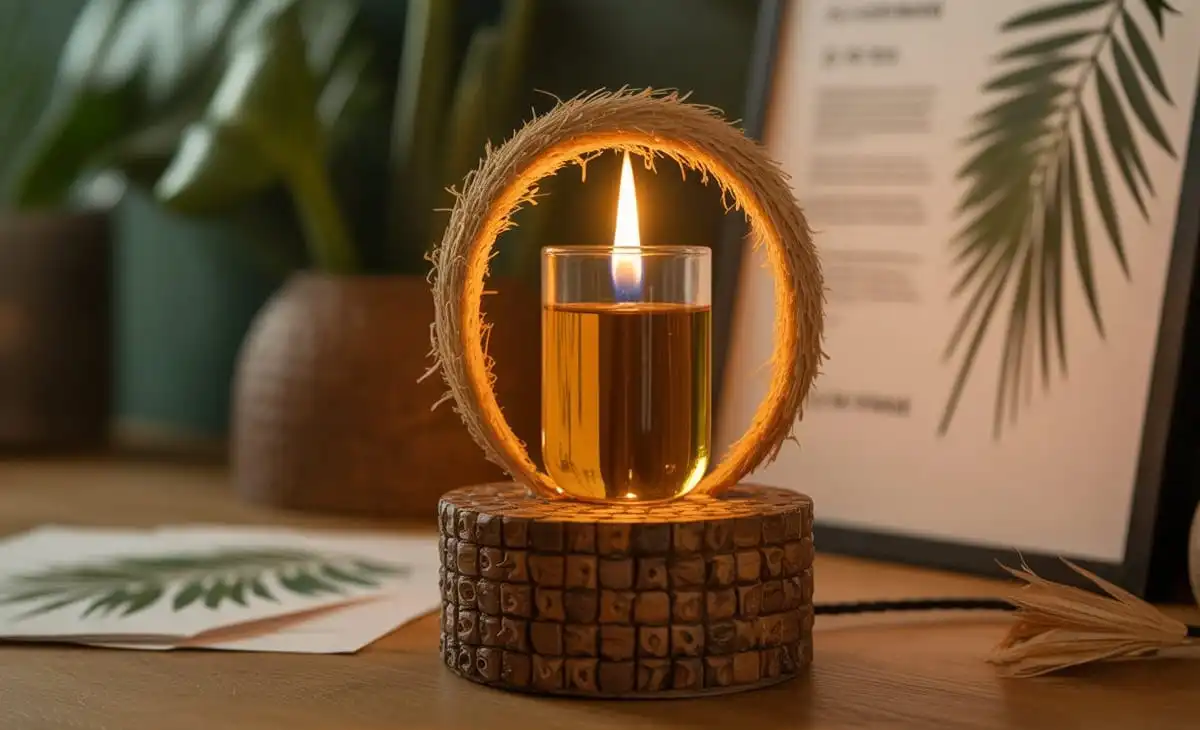
At its core, the oil palm lamp project existing framework revolves around utilizing by-products of oil palm cultivation to create sustainable lighting solutions. Instead of discarding biomass waste, it’s repurposed into fuel—either directly or through bio-processing techniques—to power lamps.
Simple idea? Absolutely.
Powerful impact? Without a doubt.
The project typically includes:
-
Converting palm oil or palm kernel oil into lamp fuel
-
Processing palm waste into bio-oil or briquettes
-
Designing low-cost, locally assembled lamps
-
Training communities to maintain and replicate the system
It’s not rocket science—but it’s clever science.
Why Oil Palm?
Oil palm trees are widely cultivated across Southeast Asia, Africa, and parts of Latin America. The fruit is famously processed into cooking oil, cosmetics ingredients, and even biodiesel. However, beyond commercial exports, the tree produces:
-
Empty fruit bunches
-
Palm kernel shells
-
Palm fronds
-
Palm fiber residues
Instead of letting these materials rot or burn inefficiently, the oil palm lamp concept channels them into productive use. When managed responsibly, it can reduce waste while providing affordable lighting in off-grid areas.
Talk about killing two birds with one stone—except in this case, we’re saving the birds too!
The Science Behind the Glow
How Does It Actually Work?
The oil palm lamp system can operate in several ways depending on technological sophistication:
1. Direct Oil Combustion Lamps
Palm oil is filtered and used similarly to traditional oil lamps. The process involves:
-
Refining oil to remove impurities
-
Using a wick-based or pressure-fed lamp design
-
Ensuring proper ventilation to minimize smoke
2. Biomass Briquette Lamps
Palm waste is compressed into briquettes and burned efficiently. The lamp design ensures:
-
Controlled airflow
-
Reduced emissions
-
Longer burn time
3. Bio-Oil Conversion
Through pyrolysis, palm biomass is converted into bio-oil, which then fuels specialized lamps.
While it might sound technical, the underlying principle is beautifully straightforward—turn agricultural leftovers into light.
Environmental Benefits
Now, let’s not beat around the bush. The oil palm industry has faced criticism for deforestation and habitat destruction. So how does this lamp project fit into that narrative?
The answer lies in existing resources.
The oil palm lamp project existing approach focuses on maximizing value from already cultivated plantations rather than expanding farmland. It encourages:
-
Waste reduction
-
Lower reliance on kerosene
-
Decreased carbon emissions
-
Improved rural energy access
When replacing kerosene lamps—which release harmful fumes—the environmental and health gains are significant. Children studying under cleaner light? That’s progress you can measure.
Socioeconomic Impact: Lighting Lives Beyond Electricity
Empowering Rural Communities
Imagine living in a village where electricity flickers like a shy firefly—or doesn’t exist at all. In such settings, lighting often depends on expensive, smoky kerosene.
Here’s where things get interesting.
The oil palm lamp project creates:
-
Local employment opportunities
-
Skills development workshops
-
Micro-enterprise models for lamp production
-
Cost savings for households
Communities aren’t just consumers—they become producers. Ownership shifts from distant corporations to local hands. And when that happens, confidence grows. Economies strengthen. Dignity rises.
Educational Advantages
Good lighting changes everything.
Students can:
-
Study longer hours
-
Reduce eye strain
-
Improve academic performance
Teachers can prepare lessons in the evening. Community centers can host meetings. Night markets can thrive.
Light isn’t just illumination—it’s opportunity.
Challenges Facing the Oil Palm Lamp Project Existing
No innovation is without hurdles. Let’s keep it real.
Sustainability Concerns
Oil palm cultivation has historically been linked to environmental damage. For the lamp initiative to remain ethical, it must:
-
Source from sustainable plantations
-
Avoid encouraging deforestation
-
Promote certified palm production
Otherwise, the project risks undermining its own environmental goals.
Technical Limitations
Some challenges include:
-
Ensuring consistent fuel quality
-
Reducing smoke emissions
-
Maintaining lamp durability
-
Scaling production affordably
And then there’s user adoption. People tend to stick with what they know. Convincing communities to shift from kerosene to palm-based lamps requires education and trust-building.
Innovation and Design Evolution
Modern Twists on a Traditional Concept
The beauty of the oil palm lamp concept lies in its adaptability.
Designers are now experimenting with:
-
Hybrid solar-palm oil systems
-
LED lamps powered by palm biodiesel generators
-
Portable lantern models
-
Decorative eco-lamps for urban markets
It’s no longer just about rural survival—it’s about sustainable style.
Picture a chic eco-café glowing under palm-based lamps. Rustic, renewable, responsible. Sounds appealing, doesn’t it?
Implementation Strategy: Making It Work
Launching a successful oil palm lamp initiative requires more than good intentions. It needs structure.
Step-by-Step Framework
-
Feasibility Study
-
Assess palm waste availability
-
Analyze community energy needs
-
-
Technology Selection
-
Choose combustion or bio-conversion method
-
-
Community Training
-
Conduct workshops
-
Provide maintenance guidance
-
-
Pilot Testing
-
Monitor emissions and user feedback
-
-
Scaling
-
Partner with NGOs or cooperatives
-
Seek microfinance support
-
When carefully planned, the oil palm lamp project existing blueprint becomes both practical and replicable.
Comparing Palm Lamps to Other Renewable Solutions
Palm Oil Lamps vs. Solar Lamps
| Feature | Palm Oil Lamp | Solar Lamp |
|---|---|---|
| Initial Cost | Low | Moderate |
| Maintenance | Fuel-dependent | Battery replacement |
| Weather Dependence | None | Sunlight required |
| Emissions | Minimal (if refined) | None |
While solar remains a top-tier clean energy solution, palm oil lamps can serve as complementary systems, especially in cloudy or heavily forested regions.
Policy and Government Support
For real impact, supportive policy frameworks are essential.
Governments can:
-
Provide subsidies for sustainable palm waste use
-
Fund research into emission reduction
-
Encourage rural entrepreneurship grants
-
Promote eco-certification standards
Without policy backing, even the brightest ideas can flicker out.
The Future Outlook
Looking ahead, the oil palm lamp project existing concept could evolve into something even bigger:
-
Integrated rural energy hubs
-
Bio-refineries supporting multiple energy outputs
-
Cross-border sustainability collaborations
-
Export markets for eco-lamp products
As innovation accelerates, one thing becomes clear—waste is no longer waste. It’s fuel for progress.
Frequently Asked Questions (FAQs)
What is the oil palm lamp project existing initiative?
It’s a sustainability-focused project that uses oil palm by-products to produce fuel for affordable lighting solutions in off-grid communities.
Is palm oil safe to use in lamps?
Yes, when properly filtered and used in well-designed lamps, palm oil can burn efficiently with minimal smoke.
Does this encourage deforestation?
Not necessarily. The project emphasizes using existing agricultural waste rather than expanding plantations. Responsible sourcing is key.
How affordable are these lamps?
They’re generally low-cost compared to solar systems and significantly cheaper over time than kerosene lamps.
Can this project scale globally?
Potentially, yes. Regions with established oil palm cultivation could replicate the model with localized adaptation.
Conclusion: From Waste to Wonder
Sometimes, progress doesn’t roar—it glows.
The oil palm lamp project existing framework represents a thoughtful intersection of sustainability, innovation, and social empowerment. By transforming agricultural residue into a source of light, it addresses multiple challenges at once—energy poverty, waste management, and economic opportunity.
Of course, it isn’t a silver bullet. No single solution ever is. But as part of a broader renewable energy strategy, it shines—quite literally.
